
The Colorado River’s 1,400-mile journey, discussed
DENVER — The Colorado River can make an amazing 1,400-mile journey from Colorado, all the way to the U.S.-Mexico border.
It starts off as snowpack in Rocky Mountain Nationwide Park in Northern Colorado and can make its way westward to Utah. The Utah part of the river class commences on the Colorado Plateau before heading to Moab, the place the h2o sweeps by Arches and Canyonlands countrywide parks – both amazing landscapes eroded into canyons and mesas by the Colorado and Environmentally friendly rivers.
After people rivers merge, they head to Lake Powell, the lake fashioned at the rear of the great Glen Canyon Dam. Lake Powell is 189 miles prolonged with additional than 1,900 miles of shoreline by itself, storing drinking water to be employed in elements of the 5 states that make up the upper basin of the Colorado River: Arizona, Colorado, New Mexico, Utah and Wyoming, the place the Green River commences before signing up for the Colorado.

Felicia Fonseca/AP
Then-National Park Provider pilot Nick Herring was our tour information as we flew above the lake in 2017.
“The lake is possibly the most significant financial generator in this portion of the place,” Herring mentioned. “The boating and all the infrastructure to support boating and recreation is really major.”
“It’s definitely that in the San Juan River, the two important tributaries. Colorado being selection a single for confident,” Herring reported. “So from the time the [Glen Canyon] dam was created to now, I am not sure early on, they genuinely identified what the potential was for the advancement that it has spurred over the years.”
Associated | From wildfires to water supply: The threats of western drought, and the climate improve relationship
Fishing and boating are just some of the things to do that appeal to far more than 3 million visitors to Lake Powell each and every year.
But Glen Canyon was not the very first selection for this dam and reservoir.
Former Glen Canyon Nationwide Recreation Spot Superintendent Billy Shott suggests the 1st strategy would have set a dam together the Inexperienced River in Echo Canyon in Colorado’s Dinosaur Nationwide Monument, producing a giant reservoir by filling the Eco-friendly and the Yampa River valleys.
“There was such a nicely-structured and political fight to retain that from finding washed beneath,” Shott explained. “It actually variety of activated a whole lot of unique well-organized actions in the West and starting to search at how land is used and in particular how h2o is used.”
After Glen Canyon Dam, h2o heads to a significant issue: Lee’s Ferry, just downstream.
This is the place exactly where the river is divided into two basins for h2o legal rights purposes. The upper basin incorporates pieces of Utah, Arizona, New Mexico, Colorado and Wyoming. You can find also the reduced basin that involves other sections of Utah, Arizona and New Mexico, as very well as areas of Nevada and California.

KMGH
H2o legal rights legal guidelines relating to the Colorado River are as challenging as they are old. In fact, the Colorado River Compact that divides the river into these two basins was signed into regulation in 1922, – building it 99 yrs aged – but each and every state is certain a specific amount of money of drinking water.

KMGH
Once the river leaves Glen Canyon and makes its way through Lee’s Ferry, it begins to wind its way as a result of the 217-mile-extended Grand Canyon. It can be taken the Colorado River some 6 million several years to carve the mile-deep canyon in northern Arizona.

Ross D. Franklin/AP
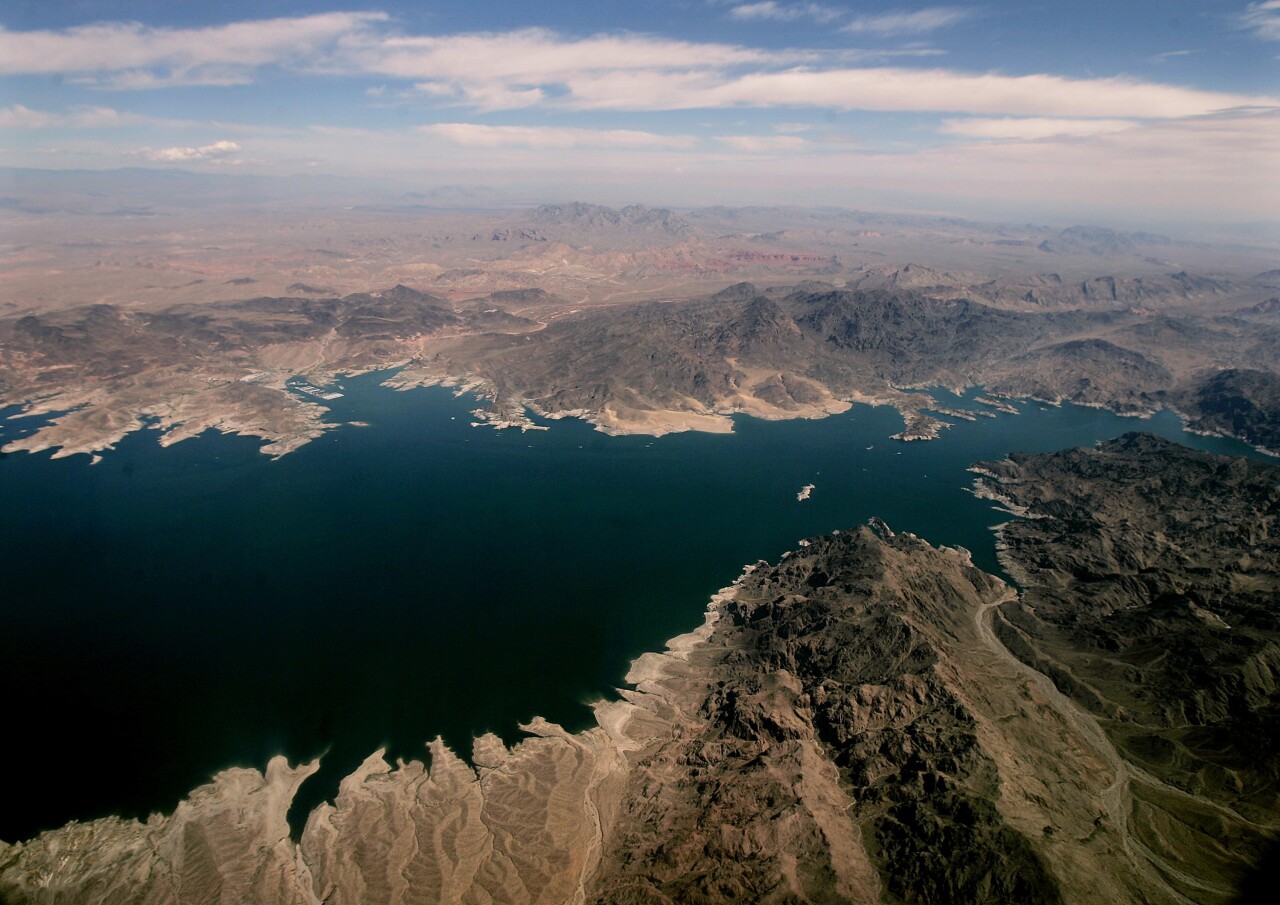
After the Grand Canyon, the Colorado stops at the Hoover Dam on Lake Mead. When it is at capability, it’s 1 of the largest reservoirs in the country. But the location has battled drought ailments since the convert of the century – and all those problems have turned excessive in 2021, primary to Lake Mead being 161 feet down below comprehensive pool as of July 12.
“This lake is genuinely a lifeline. In point, water is the lifeblood of the southwest,” reported Rose Davis, who was with the Bureau of Reclamation when we spoke to her on our tour of the location. “And Hoover Dam and its regulating dams downstream make positive that people deliveries get to the appropriate folks that have drinking water correct allotments.”
Joe Cavaretta/AP
Hoover Dam serves water to states in the decrease basin of the Colorado, which involves pieces of California, Arizona, New Mexico and Nevada, which include Las Vegas.
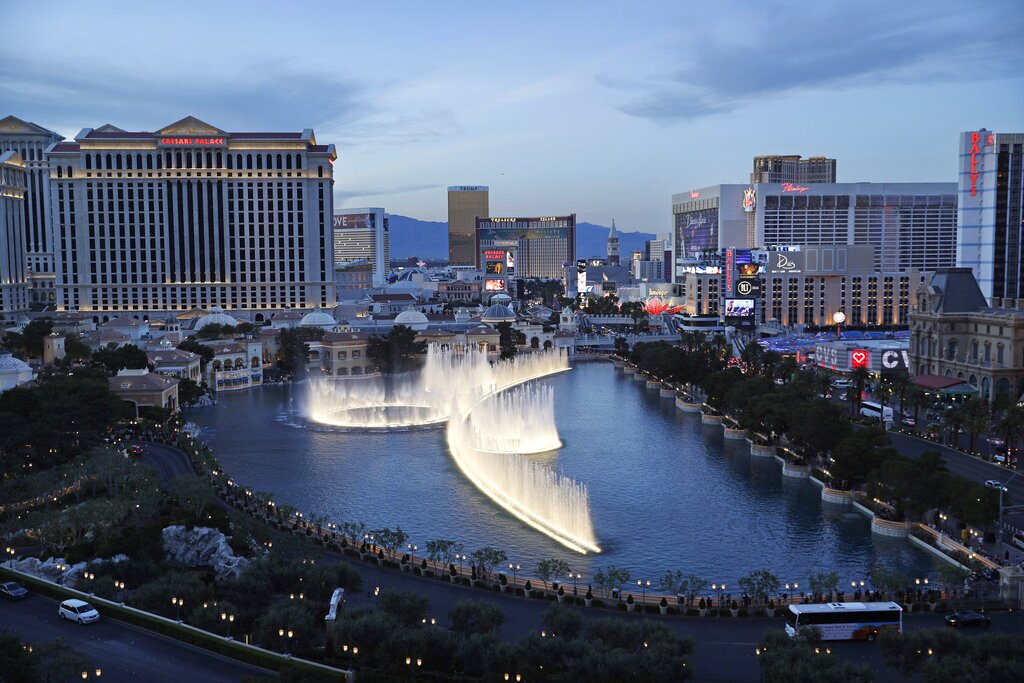
Ninety p.c of the drinking water utilised in Las Vegas comes from Lake Mead, which is about an hour absent from the city. It may possibly be tricky for people to imagine, but most of that h2o is utilized for household places, not resorts and casinos.
All the inns in Las Vegas are fantastic at conservation. Just about all the h2o applied at inns, like the Bellagio, is captured, addressed and then reused or despatched back again to Lake Mead.
“They have cleaned it up so a great deal that not only do they recycle and reuse for Las Vegas purposes and owners in surrounding spots, but they can place some back again in Lake Mead,” Davis said.
John Locher/AP
With water levels lower and extra individuals shifting to the area, conservation is on everyone’s head.
“I consider Lake Mead will normally be here. I feel there isn’t really a chance that Lake Mead is at any time going to go away,” Davis stated.
“I feel we proceed to encounter worries in h2o allocation. We keep on to experience troubles with local weather change. We’re undertaking a ton of studying about how that’s altered the way the snow has appear and the rains have appear, but I don’t consider Lake Mead is heading any where.”

John Locher/AP
From the Hoover Dam, the Colorado River turns south and heads via the gambling town of Laughlin, Nevada Lake Havasu, Arizona and then on to the city of Yuma near the borders of Arizona, California and Mexico.
Additional coverage | Western U.S. drought


