Hot, dry situations stressing waterways
By Jay Adams
The Colorado River is hurting.
The struggles of the river’s most significant reservoirs, Lake Mead and Lake Powell, have been perfectly documented over the previous ten years as drought has ravished the West.
The story, even so, starts far more than 500 miles upstream in Grand County.
The county is stuffed with streams that make up the starting of the mighty Colorado’s journey in the mountains north of Grand Lake. All around 60% of the water in Grand County is diverted from these streams and utilized for agricultural and municipal h2o provide, primarily on the Front Variety.
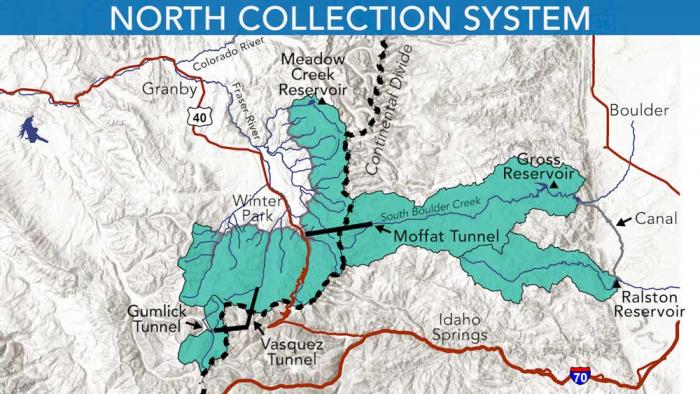
That includes the metro Denver region, which receives about 20% of its drinking water from Grand County, in which Denver Drinking water has drinking water rights relationship back to the 1920s. Most of the drinking water is captured in rivers and streams around Winter Park when mountain snow melts in the spring.
But, right after a lackluster runoff time on the West Slope merged with dry soils from the previous calendar year, the sizzling, dry situations in early June intended the high-region rivers and streams wanted assistance.
Denver H2o responded by voluntarily decreasing diversions from several Grand County creeks and coordinating with the Colorado River District, Grand County, Northern Water and other Learning By Performing partners to change functions, exactly where feasible, to assist strengthen drinking water stages in some of the far more troubled areas.
“While our main duty is to make positive we’re supplying drinking water to 1.5 million persons in the metro location, we’re usually searching for prospects to aid improve ailments on the rivers, to help the aquatic natural environment, recreation and communities they move by means of,” said Nathan Elder, Denver Water’s supervisor of water provide.
By lessening diversions, Denver Water foregoes gathering a part of h2o it is legally entitled to collect for its water source in trade for strengthening streams and tributaries together the Colorado River.
It begun with a plea for enable
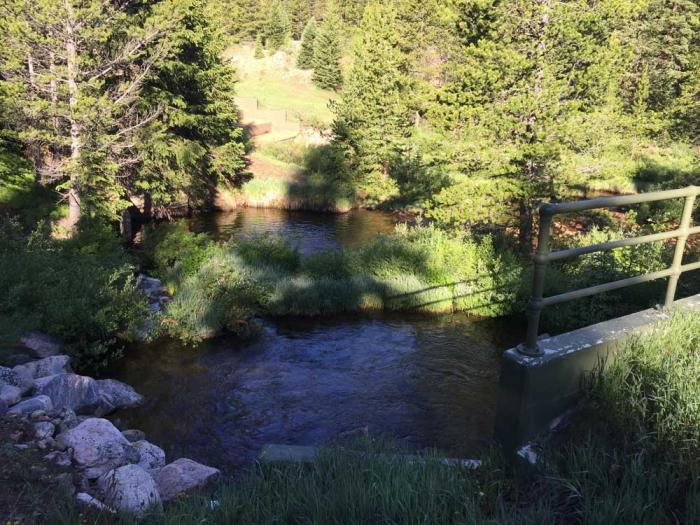
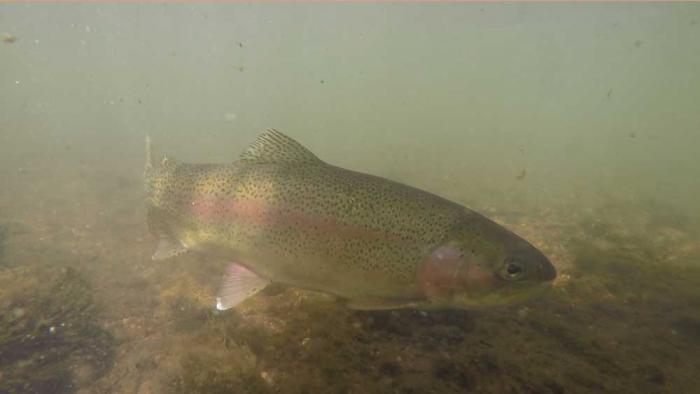
On June 5, the Colorado River District requested Denver Water for support right after reporting really minimal h2o stages and critically superior h2o temperatures on the Colorado River. The river district documented ailments ended up generating unhealthy habitat for fish and aquatic insects.
“When the e mail came in Saturday early morning, we ended up in a placement to promptly reply and decrease the amount of money of drinking water we had been pulling from many Grand County creeks,” Elder claimed.
Denver Water has ongoing generating operational adjustments due to the fact that e mail.
The utility estimates that by early July it will have voluntarily foregone collecting close to 11,000 acre-feet of drinking water from Grand County to help preserve additional h2o in the Colorado and Fraser rivers. That’s roughly more than enough h2o to offer about 44,000 residences for one particular calendar year.
“It has been practical to listen to right from stakeholders in Grand County, including Trout Unlimited and ranchers together the river, on the place we may be in a position to certainly enable the river, the group and the natural environment with our operational adjustments,” Elder mentioned.
“With help from the West Slope, we have been in a position to target particular regions and send out some effective drinking water downstream.”
This involves changing h2o releases from Williams Fork Dam twice a day in a way that also added benefits the Colorado River.
For example, when releasing h2o from the dam, Elder and his staff test to time the flows, so the drinking water reaches the river in Kremmling — an space prone to bigger river temperatures — during hotter instances of the day.
The bigger drinking water amount will help to neat down the water, which is much better for the aquatic surroundings.
Position to help
The wet spring disorders alongside the Front Selection boosted drinking water materials in Denver Water’s South Platte River assortment system, which dramatically lessened customers’ need for h2o across the metro location — the place Denver Water serves a quarter of the state’s population.
In fact, from January to May well, Denver Water’s customer drinking water use hit a 50-yr small throughout the metro area, regardless of nearly 600,000 additional persons in its service region because 1970. That includes yrs in which the metro space was on mandatory drought restrictions.
“Some of the minimal use might be owing to COVID-19 impacts on company and clearly a wet, awesome spring aided,” mentioned Greg Fisher, demand from customers supervisor for Denver Water.
“It’s a fantastic signal that our prospects genuinely comprehend effective h2o use and let Mom Character do the watering for them when doable.”
This damp spring on the Entrance Vary also helped give further versatility on how Denver Drinking water gathered and dispersed drinking water throughout its selection method all through the spring snow runoff.
“We were ready to change off the Roberts Tunnel in April, which served convey drinking water amounts up in Dillon Reservoir for boating,” Elder claimed.
“The circumstances also enabled us to send out a lot more water down the Blue River down below Dillon Dam to aid strengthen fish habitat around Silverthorne rather of sending the water to the Front Selection.”
Denver Drinking water makes use of the Roberts Tunnel to deliver h2o from Dillon — the utility’s biggest reservoir — beneath the Continental Divide to the Front Assortment.
But adaptability like this is not normally doable, specifically with the myriad threats Denver’s drinking water process is experiencing.
“Between the soaring temperatures, improvements to the timing of spring runoff, excessive fire conduct and half a million extra persons envisioned in the metro location by 2040, our skill for versatile functions is decreasing in a time when we have to have it the most,” stated Elder.
“We should get an ‘all-in’ approach that includes conservation, h2o reuse and advancement of new drinking water provides so we can continue on to optimize the added benefits of a large system.”
Much more flexibility
In accordance to Elder, very hot, dry weather conditions situations emphasize the positive aspects of owning a large water collection program, as it gives the h2o setting up crew additional flexibility in its operational playbook.
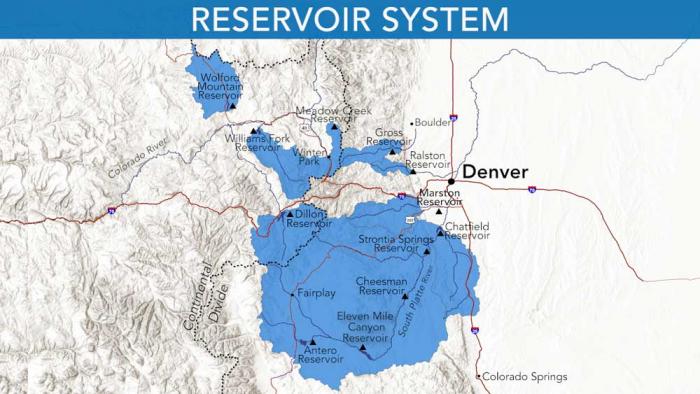
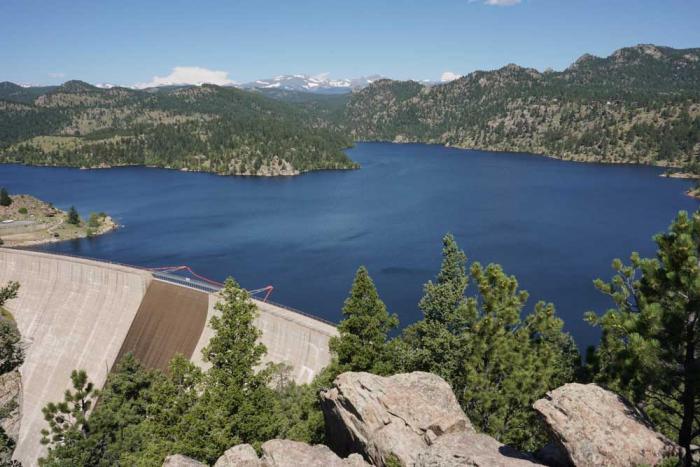
The vision for the Gross Reservoir Enlargement Job, which is in its ultimate steps of allowing, is an instance of how more h2o storage can truly aid streams in times of drought.
“As element of the Gross Reservoir Growth, some of the voluntary items we’re doing this year — like leaving additional drinking water in the Grand County rivers — will grow to be essential annual operations for us,” mentioned Elder.
That’s due to the fact Denver Water is 1 of 18 partners who signed the Colorado River Cooperative Arrangement in 2013, ushering in a new period of cooperation amongst the utility and West Slope stakeholders, all with the vested curiosity in preserving watersheds in the Colorado River Basin.
As section of that arrangement, a course of action called “Learning by Doing” was established, which has assisted the utility stay much better connected on river disorders in Grand County. The partnership is a assortment of East and West Slope water stakeholders who enable detect and obtain remedies to water problems in Grand County.
“Denver Water has been component of Grand County for in excess of 100 decades, and we realize the affect our diversions have on the rivers and streams,” stated Rachel Badger, environmental setting up manager at Denver Drinking water.
“Our goal is to regulate our drinking water resources as successfully as probable and be great stewards of the drinking water — and Understanding By Undertaking can help us do that.”