
It is like the samurai period never ever ended at this beautiful Japanese mountain town
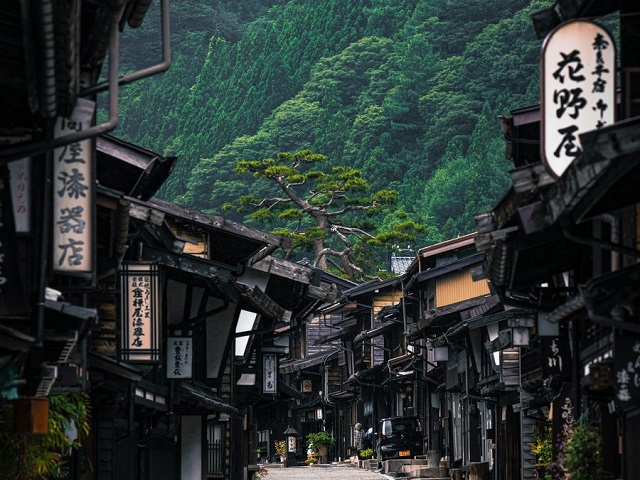
Nagano village was at the time a main end on the Kyoto-Edo route, and the community appears much the same generations later on.
In the early 1600s, following the stop of the feudal Sengoku period, the seat of de facto electricity in Japan moved from Kyoto to Tokyo (or Edo, as it was called in these times). Nevertheless, whilst the Shogun took up residence in Tokyo, the Emperor stayed powering in Kyoto, and so both towns continued to be critical political, cultural, and business facilities of Japanese culture.
This meant a steady stream of individuals flowed in between the two cities, prompting the advancement of formal semi-preserved overland routes among Kyoto and Tokyo. Since wheeled transportation was prohibited (image any samurai film in your head, and realize you hardly at any time see people using all over in animal-drawn carts), most built the journey on foot, and since you can not walk all the way from Kyoto to Edo in a day, a amount of shukubamachi, or submit cities, sprang up as inns, tea residences, and other amenities have been constructed to accommodate travelers.
Of system, wheeled transportation, irrespective of whether by coach, bus, or personal motor vehicle, is how men and women currently go involving Tokyo and Kyoto, so a lot of of the put up towns have disappeared or totally modernized. The previous is not an intangible memory, nevertheless, but continues to be portion of the latest architecture in the town of Shiojiri, Nagano Prefecture, as this spectacular image from Japanese photographer and Twitter person @Hisa0808 (ag.lr.88 on Instagram) exhibits.
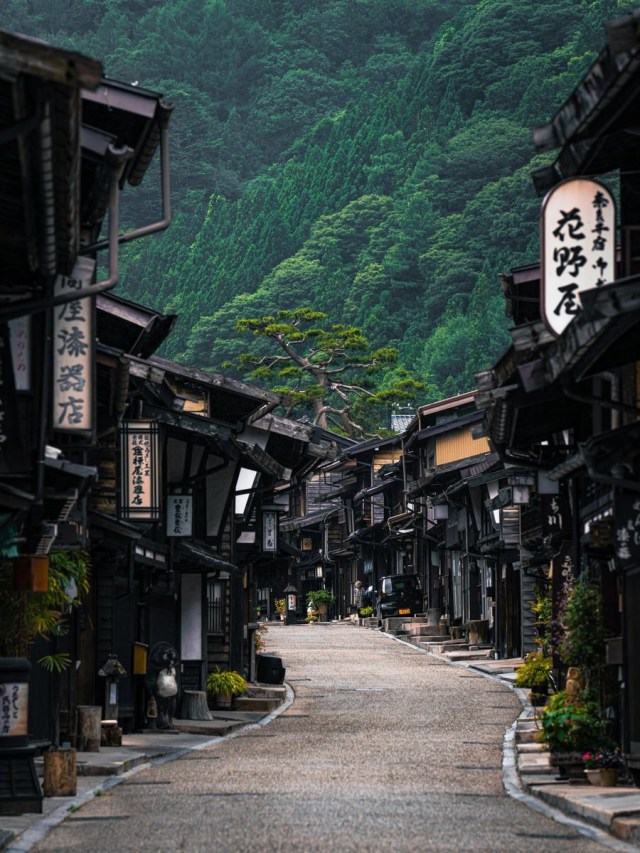
“This write-up town in Nagano is fully the Edo Period,” tweets @Hisa0808, and it’s tough to argue. The standard exteriors all look like the sort of position a sandal-sore pilgrim, peddler, or samurai may possibly have stepped into for a sizzling food or area to snooze hundreds of yrs in the past.
長野県の宿場町がもはや江戸時代。 pic.twitter.com/PaowMLxMMM
— Hisa (@Hisa0808) May possibly 11, 2021
A handful of subtle specifics definitely assistance protect the historic aura of this section of Shiojiri, which is recognized as Narai-juku. Initially, the local corporations have seemingly settled on brushstroke fonts and enclosed mild resources for their signals, giving them the outward visual appeal of candlelit lanterns. Second, while as a modern day town residents naturally want the advantage of electrical power, Narai-juku doesn’t have uncovered, previously mentioned-ground powerlines, going to the additional expense for aesthetics (a decision not just about every city in Japan would make).
Reactions to @Hisa0808’s image have provided:
“Wait, you took this now, in the current?”
“I hope they’ll usually retain the town on the lookout like this.”
“It appears to be like a portray.”
“Well, now I know where by I’m going on my upcoming trip!”
Other photographs tweeted in reaction present how atmospheric Narai-juku seems at night…
奈良井宿いいですよね。前に行って良かったので、また行きたいと思ってます。 pic.twitter.com/irpgyok2Qh
— じゃりてん (@jarite_n) May well 11, 2021
…and how minor it’s changed in the final 100-furthermore yrs.
雰囲気的に何も変わってないですよね~。( ´ー`) pic.twitter.com/QUTy9hyzo8
— ピトフーイ (@7Z1skIWtjpBwPnR) Could 11, 2021
Oh, and if the mountains glimpse specially wonderful, that may possibly be for the reason that Narai-juku is one particular of the best-elevation details on the Nakasendo, the extra inland route in between Kyoto and Edo. Nevertheless, never permit them distract you from noticing the community grannie who helps make an appearance in @Hisa0808’s photograph.
And if this has you too scheduling a excursion to see Nara-juku for your self someday, don’t neglect that @Hisa0808 has also proven us just how awesome Nagano’s very best castle is.
Resource, illustrations or photos: Twitter/@Hisa0808
● Want to hear about SoraNews24’s most recent posts as quickly as they are posted? Stick to us on Fb and Twitter!


