
Trains not planes? The expansion of rail vacation in Southeast Asia, Life-style News
Vientiane to Phnom Penh via Bangkok Ho Chi Minh City to Luang Prabang by way of Hanoi and Kunming Hong Kong to Singapore through 50 % of these stations as well as Kuala Lumpur – teach travel among some of Southeast Asia’s most significant metropolitan areas is on the lookout increasingly possible.
Asia is investing closely in rail infrastructure just as the escalating “slow travel” movement in Europe – which sees travellers swapping flights for a lot less carbon-emitting practice travel, specially for journeys of just a couple hours – is prompting nations around the world there to do the exact.
Even though several of Southeast Asia’s railways are legacies of colonial profession, most survived in some variety into independence and are getting upgraded even as new strains are staying laid.
“Since [the Asean Connectivity master plan was released] in the late 2000s, Southeast Asian nations have refocused on rail development as a way to boost advancement, hold up with fast urbanisation and boost regional integration,” claims Jessica Liao, assistant professor in the office of political science at North Carolina Condition University in the US.
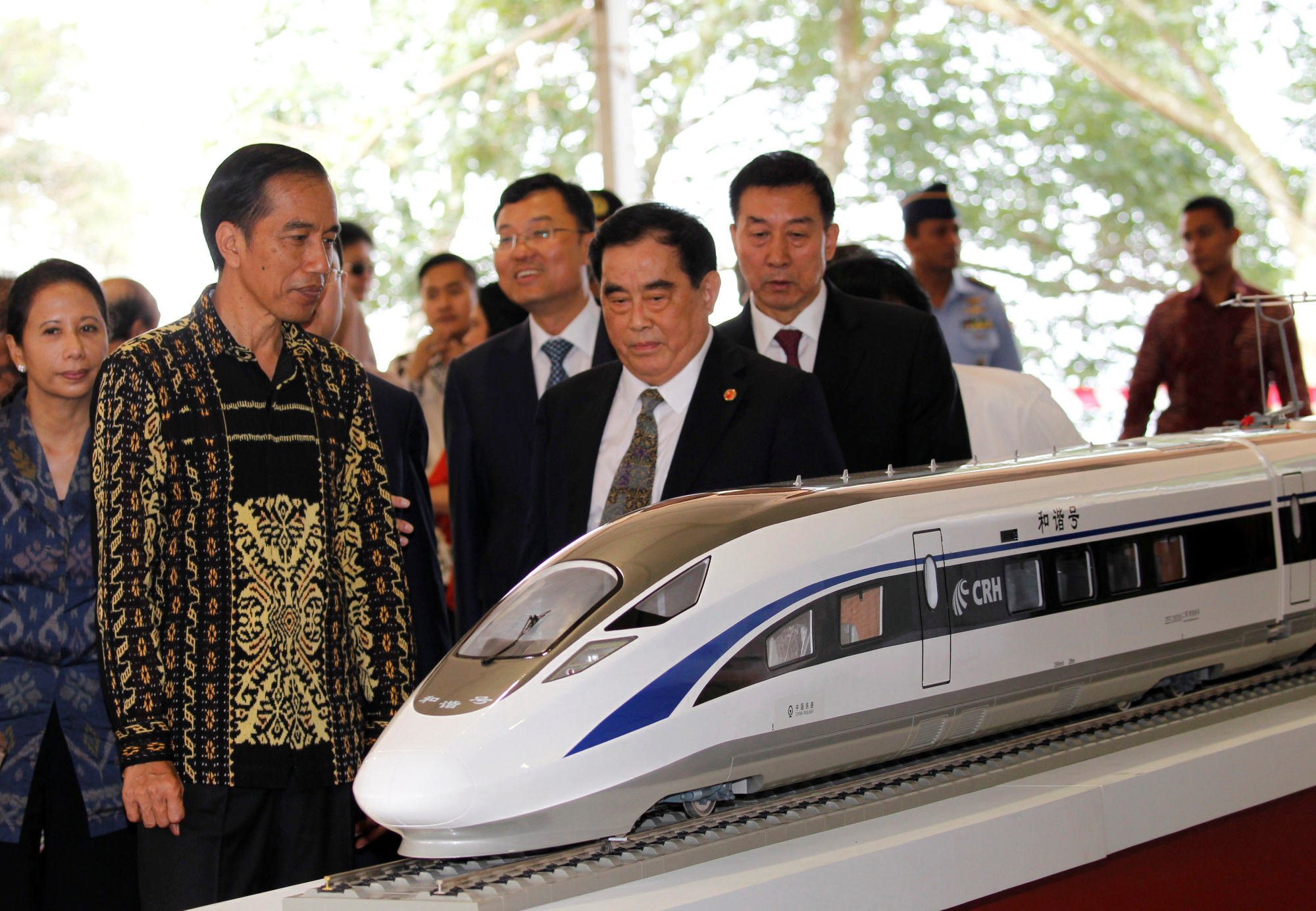
Indonesia will sooner or later have a high-speed railway across its most important island, Java (the completion day is now 2023), complementing the current community on the island. Malaysia is developing transportation infrastructure along peninsular Malaysia’s lengthy-disregarded east coastline, even though upgrading the major north-south website link for faster, electric trains.
Vietnam’s very long-mentioned rail update plans are progressing – albeit glacially, alternatively like the improvement of a metro technique in Ho Chi Minh City – and a long-mooted rail link with Cambodia is still expected, the governing administration in Phnom Penh getting initiated a feasibility review.
The grandest undertaking less than way is the US$5.9 billion, 414km (257-mile) line connecting Boten, on the China-Laos border, with Laos’ cash, Vientiane.
Landlocked Laos has long experienced a lack of connections. An existing Thai line from Bangkok up to the two countries’ riverine border doesn’t nevertheless straddle the Mekong and genuinely join the two capitals. (These a relationship, even so, is now just a issue of time, with an settlement on a substantial-pace, Chinese-financed line amongst Bangkok and Laos getting been signed in October 2020.)
Tokyo is competing with Beijing to earn rail infrastructure jobs in Southeast Asia, Liao suggests. Japan was by now constructing higher pace railways on which trains could operate at over 200km/h in the 1960s – on more recent traces they achieve 300km/h – and proceeds to be held up as the world-wide gold common.
[[nid:515894]]
Japan basically developed China’s 1st higher-pace railways, all through its colonial profession in the 1930s. Following 2000, on the other hand, Beijing substantially grew its domestic rail network into the world’s premier, though its trains now get to speeds of up to 350km/h.
The require for both nations to uncover new markets for their rail industries is one particular of the factors why ageing infrastructure in Southeast Asia is becoming rehabilitated, as well as new lines created.
“Rail competition can be witnessed in Thailand, which has awarded rail and subway contracts to the two Chinese and Japanese contractors to harmony their money resources,” Liao suggests. “The identical balancing act is getting performed out by the Indonesian and Vietnamese governments in their infrastructure tasks. In Malaysia and Laos, Chinese rail contractors have gotten far more projects. They compete head to head in the Philippines.”
What all of this signifies for citizens, companies, governments and travellers throughout Asia is escalating entry to more rapidly and greener transport.
In a 2019 report titled The Future of Rail, the Worldwide Electrical power Authority noted that rail was an underused ingredient of passenger and freight transportation, and that the engineering plays an important function in endeavours to mitigate against world-wide heating.
“The a great deal decreased carbon depth of rail (for every passenger- or tonne-km) compared with most other modes of transport indicates the rail sector by now plays a important position in containing global [greenhouse gas] emissions,” the report said.
“Looking forward, successful electrical motors and significantly low-carbon electrical power mixes could permit rail to lead considerably to acquiring zero-emission mobility from a well-to-wheel standpoint.”
Post-Covid-19 travel arranging for Asian journeys that at the time experienced to be completed by road or air can now contain a increasing range of rail possibilities for these anxious with their carbon footprints, or just wishing for a new experience, explains Mark Smith, who runs prepare travel web-site Seat61.
[[nid:74940]]
“People occur to Southeast Asia to see it, not fly around it. The overland journeys are as a great deal component of travel as the desired destination. Working with actual regional transportation – not flights or tour buses – you turn into a participant, not a spectator,” Smith claims.
“A shocking quantity of persons of all ages take the Trans-Siberian Railway from Europe to Asia. This new [Kunming-Vientiane] railway will make London-Singapore possible all the way by rail, and will no question kindle renewed fascination in this sort of journeys when travel opens up all over again.”
Convincing the fewer adventurous that slower journey by rail is worthy of their time will depend mainly on what can be witnessed or identified on these new practice routes.
“It could be exciting to have the practice journey practical experience [when travelling to Southeast Asia],” says Michelle Yu, an place of work employee in Shanghai who regularly travels about China. “But it would depend on if any sights on the way are intriguing, and at the minute I have no thought of what I could possibly see.”
This short article was to start with printed in South China Morning Publish.


